
How Management Consultancy Works at ArborMark
ArborMark follows a structured, transparent consultancy process — beginning with enquiry and context review, and progressing through scope confirmation, advisory work, and documented recommendations. Every step is designed to ensure that the advisory output is relevant, grounded, and practically useful.
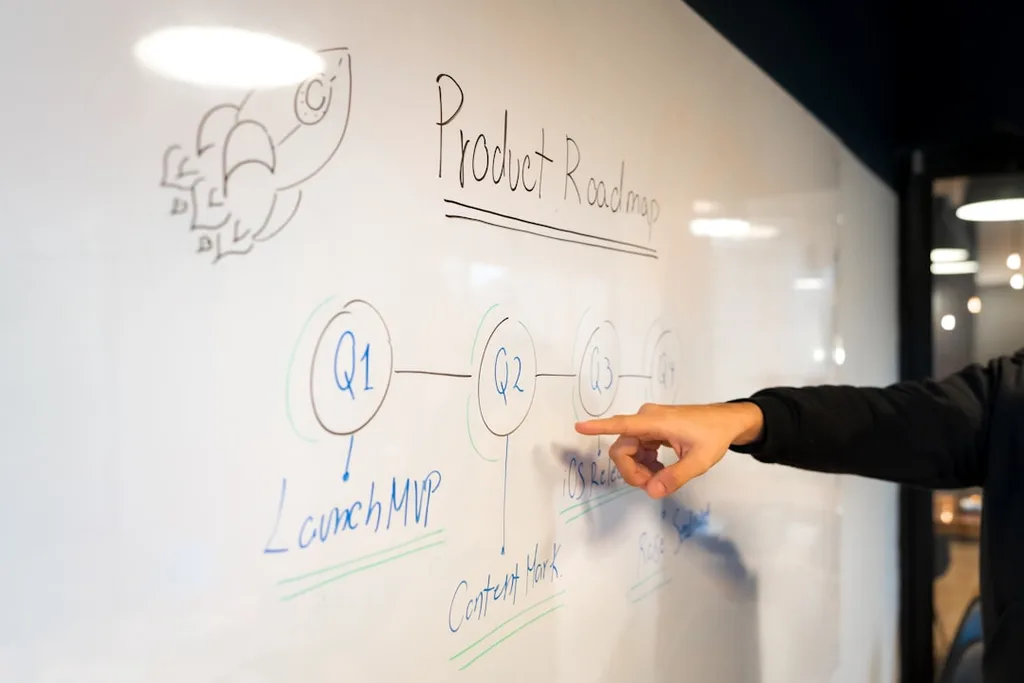
ArborMark's Consultancy Process
The following eight steps describe how a typical management consultancy engagement with ArborMark progresses — from initial enquiry to completed advisory output.
Submit Consultancy Enquiry
Complete the enquiry form describing your business, current challenge, and desired outcome.
Clarify Business Context
ArborMark reviews your enquiry and contacts you to understand your business context, priorities, and goals.
Advisory scope is confirmed individually and depends on available information.
Review Operations & Priorities
We review your operational structure, current processes, key dependencies, and priority areas.
Review scope depends on access to information and agreed advisory boundaries.
Map Processes & Dependencies
Relevant workflows, supplier dependencies, documentation gaps, and process maps are identified.
Identify Improvement Areas
Based on the review and available information, priority improvement areas are confirmed.
Improvement identification depends on available information and agreed scope.
Confirm Advisory Scope
A clear advisory scope is agreed before recommendations or work begins.
Recommendations are only made within the agreed advisory scope.
Share Recommendations or Action Plan
Practical recommendations, priorities, and next steps are shared based on agreed scope.
Recommendations do not guarantee business outcomes or results.
Review Next Steps
Progress is reviewed, the plan is updated, and next priorities are confirmed.
Review frequency and scope depend on agreed advisory arrangement.
What to Expect: Advisory Transparency
ArborMark operates transparently about how its consultancy work is conducted, what clients can and cannot expect, and where the boundaries of the advisory service lie.
Agreed Scope
All management consultancy work at ArborMark is based on an agreed advisory scope confirmed before any work begins. The scope defines the areas of the business to be reviewed, the information that will be made available, the expected outputs, and the engagement timeline. Work will not commence, and recommendations will not be shared, before the scope has been agreed with the client.
Scope can be expanded or adjusted by mutual agreement as an engagement develops — but all changes are confirmed before work proceeds on the revised scope. This ensures that both parties have a shared understanding of what is being delivered at every stage.
Assumptions & Available Information
ArborMark's advisory recommendations are based on the information provided by the client. Where information is incomplete, approximate, or unavailable, ArborMark will document the assumptions on which recommendations are based. The accuracy and completeness of client-provided information directly affects the quality of advisory outputs.
ArborMark works with the information available — it does not have access to information outside what the client provides, and does not make claims about business performance, market conditions, or operational outcomes that go beyond what the available information supports.
Business Context
Management consultancy recommendations depend on business context — the sector, the size of the business, the team structure, the supplier relationships, the systems in use, the current operational challenges, the financial constraints, the decision timeline, and many other factors specific to the individual business. The same recommendation may be appropriate for one business and inappropriate for another in the same situation, because the context is different.
ArborMark invests significant time at the beginning of every engagement in understanding the business context before developing recommendations. The depth and quality of the context-gathering phase directly affects the relevance of the advisory outputs.
Implementation Responsibility
Implementing the recommendations developed in an ArborMark advisory engagement is the client's responsibility — unless implementation support has been specifically included within the agreed scope of the engagement. ArborMark provides structured advisory guidance, documented recommendations, and management planning support. The business is responsible for deciding which recommendations to implement, how and when to implement them, and for securing the team, supplier, system, and resource support needed to do so.
The outcome of any management consultancy engagement depends on what the client chooses to implement and how effectively it is executed. ArborMark cannot guarantee outcomes from advisory recommendations it has no control over implementing.
Specialist Advice Boundaries
ArborMark is a management consultancy for practical business and operational improvement. It does not provide regulated financial advice, investment advice, legal advice, tax advice, accountancy services, HR legal advice, insurance advice, or regulatory compliance services. These specialist services are outside the scope of management consultancy at ArborMark.
Where advisory work identifies that specialist input is needed in these or other regulated areas, ArborMark will clearly flag this as part of the engagement and recommend that the appropriate qualified professional is engaged. Legal, tax, financial, accounting, HR, regulatory, insurance, and investment advice should be obtained from appropriate qualified specialists where required.
No Guaranteed Outcomes
Management consultancy does not guarantee business outcomes. ArborMark's advisory work is designed to improve the quality of business thinking, planning, and operational management — but outcomes depend on implementation, team adoption, market conditions, supplier relationships, available resources, and a range of factors that cannot be controlled or predicted through advisory alone.
Consultancy does not guarantee revenue growth, profit improvement, cost reduction, regulatory compliance, funding, investment, customer growth, or any other specific business outcome. Recommendations are based on professional advisory judgement applied to the information available — they are not guarantees of results.
Operational Dependencies
The operational outcomes of any advisory engagement depend on a range of factors within the client's business that ArborMark cannot control — including the quality and availability of internal team members, the cooperation of suppliers, the responsiveness of systems, the accuracy of data, the capacity of the business to implement change while continuing to deliver its services, and market and commercial conditions during and after the engagement.
What Clients Need to Provide
The quality of management consultancy advisory depends on the quality of the information and engagement that the client provides. The following represents what ArborMark needs from clients to deliver effective advisory work.
Accurate Business Information
Clients should provide accurate, complete, and relevant information about their business — including its structure, operations, processes, team, systems, suppliers, and financial context where relevant to the agreed scope. Advisory recommendations are only as good as the information on which they are based.
Access to Relevant Documents
Where the advisory scope requires it, clients should provide access to relevant operational documents, process descriptions, reporting structures, supplier agreements (where relevant to the review), and other materials that inform the advisory work.
Availability for Structured Discussions
Effective management consultancy requires structured engagement from key decision-makers and operational leads within the client business. Clients should be available for the scheduled sessions and discussions that form part of the agreed advisory engagement.
Timely Feedback on Outputs
Where draft documents, process maps, or recommendations are produced for review, clients should provide timely, clear feedback so that the advisory work can be finalised and progressed without unnecessary delay.
Implementation Decision & Ownership
Clients are responsible for deciding which recommendations to implement, for securing the internal and external resources needed to do so, and for managing the implementation process within the operational context of the business.
Engagement with the Advisory Process
Management consultancy is most effective when the client engages actively with the advisory process — bringing real challenges, being open about operational constraints, and treating the advisory engagement as a working partnership rather than a passive service.
Recommendations depend on business context, available information, market conditions, operations, suppliers, staff, systems, budget, and agreed advisory scope.
Consultancy does not guarantee revenue growth, profit improvement, cost reduction, regulatory compliance, funding, investment, customer growth, or business outcomes.
Legal, tax, financial, accounting, HR, regulatory, insurance, and investment advice should be obtained from appropriate qualified specialists where required.
Ready to Start an Enquiry?
If you have a management consultancy challenge — operational, planning, process, or advisory — submit an enquiry to ArborMark. The process begins with a review of your context, not a sales conversation.
Start an EnquiryEnquiry responses are shaped around your business context. No guaranteed outcomes. Advisory scope confirmed individually.